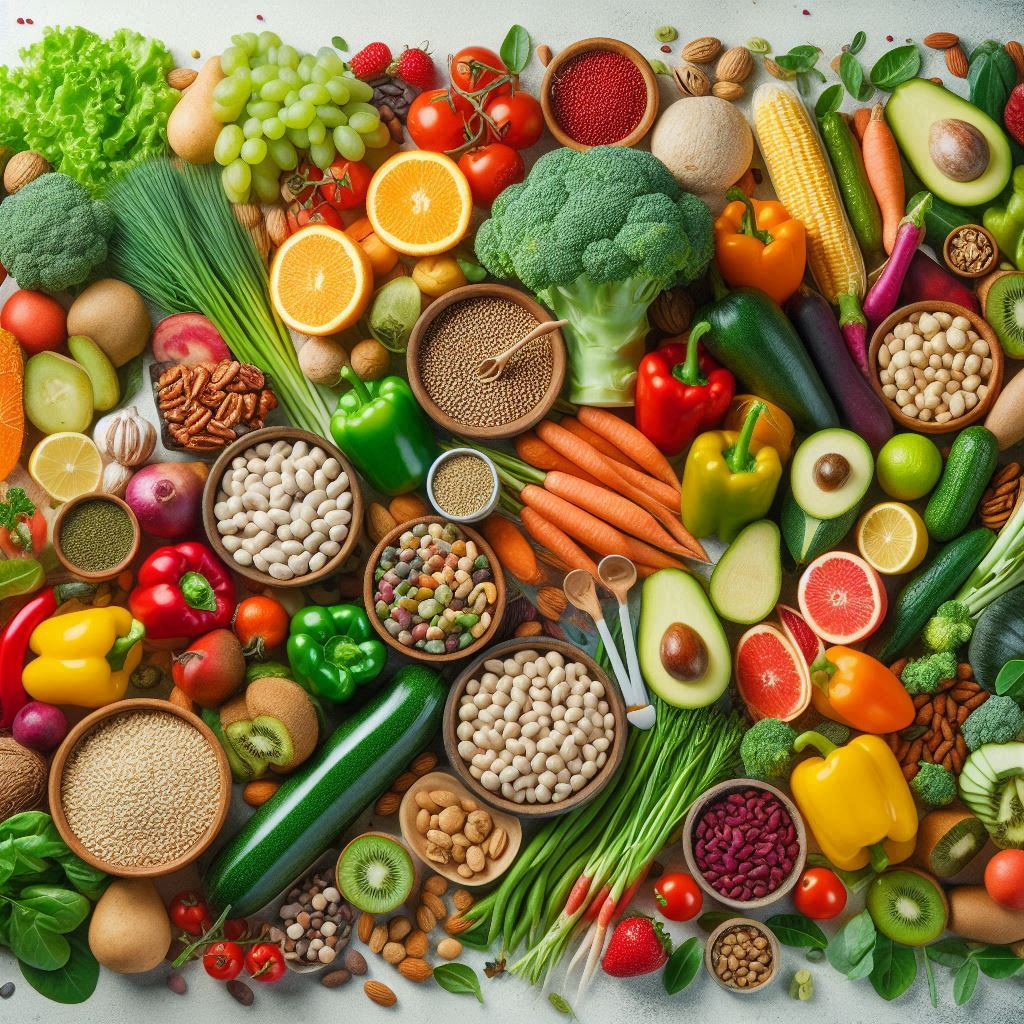
The world of food is undergoing a significant transformation. With growing concerns over health, sustainability, and animal welfare, plant-based innovations are carving a substantial niche in the market. This article delves into the rise of plant-based foods, exploring their health benefits, environmental impact, and the exciting innovations making these foods more delicious and accessible than ever. Let’s embark on a journey to understand why plant-based innovations represent a tasty and sustainable future.
Understanding Plant-Based Foods
What Are Plant-Based Foods?
Plant-based foods are derived entirely from plants. This includes not only fruits and vegetables but also nuts, seeds, oils, whole grains, legumes, and beans. Unlike vegetarian or vegan diets, which may exclude certain animal products, a plant-based diet emphasizes consuming whole, unprocessed plant foods.
The Nutritional Benefits of Plant-Based Foods
Plant-based diets are rich in essential nutrients such as vitamins, minerals, fiber, and antioxidants. They tend to be lower in calories and saturated fats, which can help reduce the risk of chronic diseases like heart disease, diabetes, and obesity. Research has shown that plant-based diets can lead to improved health outcomes, including better weight management, reduced inflammation, and a lower incidence of certain cancers (Vegconomist).
The Environmental Impact of Plant-Based Eating
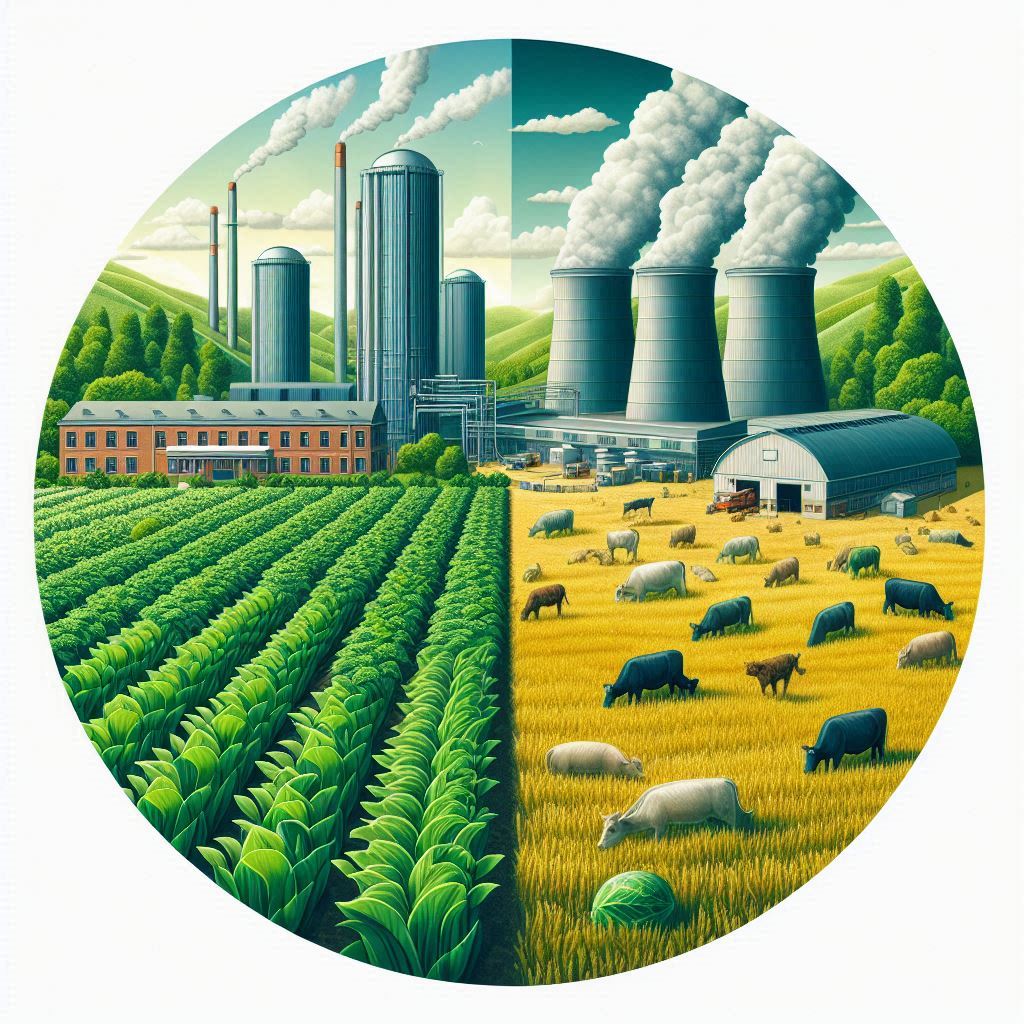
Switching to a plant-based diet can significantly reduce your carbon footprint. The production of plant-based foods generally requires fewer resources, such as water and land, and generates lower greenhouse gas emissions compared to meat production. This shift towards sustainable eating can help mitigate climate change and promote biodiversity (Innova Insights).